
The Importance of Digital Pre-Weld Analysis

Welding is a critical process in manufacturing, construction, and many engineering fields. The quality of a weld can determine the strength, safety, and longevity of a structure or product. Yet, welding is complex and prone to errors that can lead to costly rework, safety risks, or even catastrophic failures. This is where digital pre-weld analysis plays a vital role. By using digital tools and simulations before the actual welding begins, engineers and technicians can predict potential problems, optimize parameters, and ensure a higher quality weld.
This post explores why digital pre-weld analysis is essential, how it works, and the benefits it brings to welding projects. Whether you are a welder, engineer, or project manager, understanding this process can help you improve outcomes and reduce risks.
What Is Digital Pre-Weld Analysis?
Digital pre-weld analysis refers to the use of computer software and simulation tools to evaluate welding procedures before physical welding takes place. It involves creating a digital model of the weld joint, applying welding parameters, and simulating the thermal and mechanical effects of welding.
This analysis helps identify issues such as:
Excessive distortion or warping
Residual stresses that could cause cracking
Inadequate penetration or fusion
Potential weak points in the weld design
By predicting these problems early, teams can adjust welding parameters, joint design, or sequence to avoid defects.
How Digital Pre-Weld Analysis Works
The process typically involves several steps:
Modeling the Weld Joint
Engineers create a detailed 3D model of the parts to be welded, including the joint geometry and material properties.
Defining Welding Parameters
Parameters such as heat input, welding speed, electrode type, and sequence are input into the software.
Running Simulations
The software simulates the welding process, calculating temperature distribution, cooling rates, and resulting stresses and distortions.
Analyzing Results
The output shows areas of potential concern, such as high residual stress zones or excessive deformation.
Optimizing the Process
Based on the results, adjustments can be made to parameters or joint design to improve weld quality.
Benefits of Digital Pre-Weld Analysis
Reduces Welding Defects
By predicting where defects like cracks or incomplete fusion might occur, teams can prevent them before welding starts. This reduces scrap rates and rework costs.
Saves Time and Money
Fixing weld problems after production is expensive and time-consuming. Digital analysis helps avoid these issues early, speeding up project timelines and lowering costs.
Improves Safety
Weld failures can lead to structural collapses or accidents. Pre-weld analysis helps ensure welds meet safety standards by identifying weak points in advance.
Enhances Weld Quality
Optimizing parameters through simulation results in stronger, more consistent welds. This improves the overall quality and durability of the final product.
Supports Training and Skill Development
Digital tools allow welders and engineers to visualize the effects of different welding techniques and parameters. This hands-on learning improves skills without wasting materials.
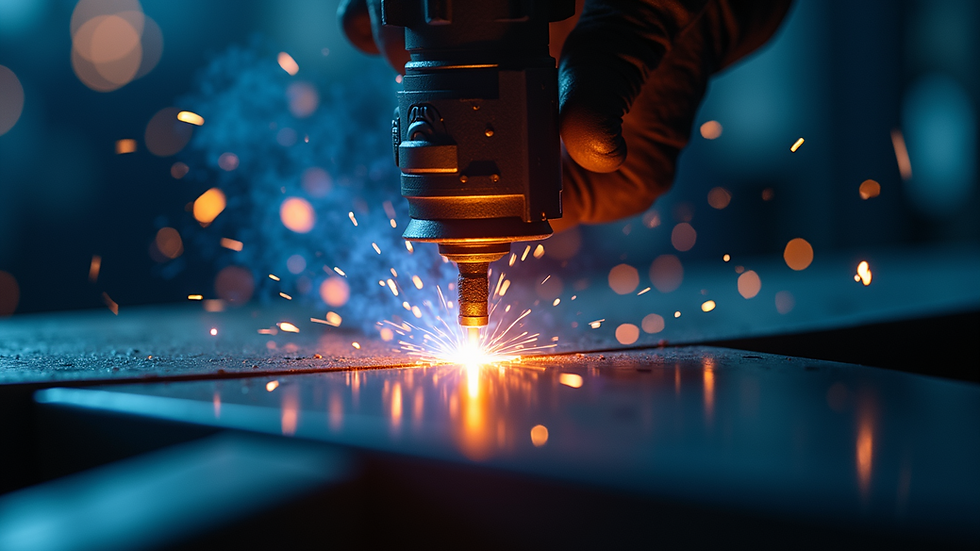
Digital simulation of heat distribution in a weld joint before actual welding
Practical Examples of Digital Pre-Weld Analysis
Automotive Industry
Car manufacturers use digital pre-weld analysis to ensure the safety and durability of chassis and body welds. For example, simulating welding on high-strength steel parts helps prevent distortion that could affect assembly or crash performance.
Aerospace Sector
Aircraft components require precise welds to withstand extreme conditions. Digital analysis helps engineers optimize welding sequences and parameters to avoid residual stresses that could lead to fatigue cracks.
Pipeline Construction
Welds in pipelines must be flawless to prevent leaks and environmental hazards. Digital pre-weld analysis predicts potential cracking due to thermal cycles and helps select suitable welding methods.
Choosing the Right Digital Pre-Weld Analysis Software
When selecting software, consider:
Material Compatibility
Ensure the software supports the materials you work with, such as steel, aluminum, or composites.
Simulation Accuracy
Look for tools that provide detailed thermal and mechanical analysis.
User Interface
A clear, intuitive interface helps reduce training time.
Integration
The software should integrate with your existing CAD and welding equipment.
Support and Updates
Reliable customer support and regular updates keep the software effective.
Tips for Successful Digital Pre-Weld Analysis
Use Accurate Material Data
Input precise material properties for realistic simulations.
Validate Models with Real Tests
Compare simulation results with actual welds to improve accuracy.
Involve Experienced Welders
Their practical knowledge can guide parameter selection and interpretation.
Keep Parameters Realistic
Avoid unrealistic welding speeds or heat inputs that won’t be used in practice.
Document and Review
Keep records of simulations and adjustments for future reference.
The Future of Welding with Digital Pre-Weld Analysis
Advances in computing power and artificial intelligence are making digital pre-weld analysis faster and more accurate. Real-time monitoring combined with simulation could soon allow welders to adjust parameters on the fly, further improving quality.
Digital twins of welding processes will enable continuous improvement and predictive maintenance, reducing downtime and extending equipment life.
Digital pre-weld analysis is no longer a luxury but a necessity for industries that demand high-quality, safe, and cost-effective welding. By adopting these tools, teams can reduce errors, save resources, and build stronger products.
If you want to improve your welding outcomes, start exploring digital pre-weld analysis software today. The investment in time and technology will pay off in better welds and fewer headaches down the line.


Comments